
Thickened Nails Treatment
Expert Support for Thickened Nails
At Podocare Podiatry, we understand just how painful and uncomfortable thickened nails can be. And if left untreated, can become more so.
That’s why we’re here. We are dedicated to helping patients get back on their feet, comfortably. Learn more about our range of thickened nail treatments across Wakefield, Batley and Sheffield, by getting in touch today.
What are Thickened Nails?
Thickened nails are also known as Onychauxis nails. This is an abnormal thickening of the nail which is quite a common condition, in which the big toenail is the most commonly affected.
This makes cutting the nail becomes very difficult and pressure from shoes can cause this condition to become painful.
What Happens if Thickened Nails are Left Untreated?
Left untreated thickened nails can start to curl and can turn a yellowy, brown colour. A professional opinion from a podiatrist should be sought to ensure that there are no underlying problems which have caused the nails to thicken.
Posted on Google
 Mark Webster15 October 2026
Trustindex verifies that the original source of the review is Google.
Knowledgeable and very friendly! I recently came due to an infected toenail that was red and swollen. My appointment was with Jamil, who was incredibly helpful and kind. He sanded down my toenail down as it was thick, and drilled a hole into my toenail to release the pressure from the infection which immediately feel better. I will be following up soon for another appointment to make sure it’s healing properly. NikiPosted on Google Freya Grace14 September 2026Very friendly staff, very helpful and talked through all the different options of the treatments, definitely recommend, Sonia was a star!Posted on Google
 Charlotte Caton14 September 2026I was very scared of coming I’ve had pretty serious medical trauma, everyone was lovely and the appointment was straight forward and pain free!Posted on Google
 Alfie Heselden15 August 2026All staff very helpful and informative.Posted on Google
 Jay Yeah13 August 2026Had a verruca for a while. Came in and had swift treatment twice, verruca went within 12 weeksPosted on Google
 Melissa Sowery30 July 2026Brilliant experience my first experience with Podocare and would highly recommend. Very friendly and informativePosted on Google
 Cassie Smith30 July 2026Great experience today with Dr. Jamil. Friendly staff at reception, quick efficient podiatry appointment. Dr. Jamil provided helpful recommendations based on my issues. Highly recommend and will be back.Posted on Google
 Alan Catling-Fletcher23 July 2026Came in with a broken deformed nail. Worked magic over a few months and now back normalPosted on Google
 Thandeka Magwaza22 July 2026Great servicePosted on Google
 Ashley Armitage22 July 2026A seamless experience from start to finish - the staff are lovely, Louise was fantastic during my appointment and clearly very experienced and knowledgable. Highly recommend!Verified by TrustindexTrustindex verified badge is the Universal Symbol of Trust. Only the greatest companies can get the verified badge who has a review score above 4.5, based on customer reviews over the past 12 months. Read more

What Causes Thickened Nails?
There are various causes of thickened nails including:
- A major trauma or repeated pressure from shoes on long nails.
- Fungal infection of the nails or skin diseases.
- Poor circulation, particularly in elderly people.
- Psoriasis, eczema and a number of other systematic diseases can affect the toenails.
Can I Cut a Thickened Toenail Myself?
Simple measures can help to relieve the symptoms of thickened nails.
These include:
- Correctly trimming your nails. Cut them straight across and do not round the corners of the nail.
- Wear good fitting shoes with ample room for toes and nails.
- Try to avoid shoes with a small toe box such as pointed shoes.
- Seek help from a professional such as a podiatrist if you are experiencing problems with your feet.
How We Treat Thickened Nails
It is essential that thickened nails are managed with routine chiropody treatment. A podiatrist can reduce the thickness of the nails and keep them to a reasonable length.
However, if the nails have become thickened due to a fungal infection your podiatrist may recommend the prescription of oral or topical anti-fungal medication.
Why Choose Podocare for Thickened Nails Treatment?
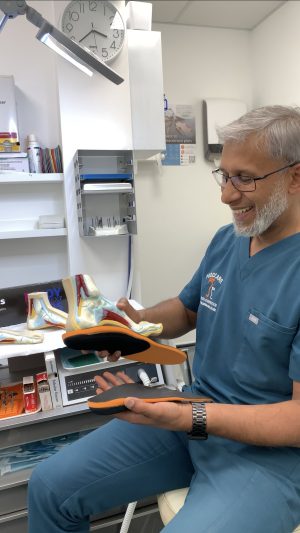
- Expert Podiatrists: Our team has extensive experience in treating thickened nails from acute to chronic cases.
- Personalised Treatments: We tailor every treatment to your individual situation and needs.
- Comprehensive Aftercare: From the initial assessment to full recovery, we support you every step of the way.
- Convenience: We have clinics in Wakefield, Batley and Sheffield, also offering home visits for patients who are unable to attend the clinic.
Book Your Appointment for Thickened Nails Today in Wakefield, Batley or Sheffield
Whether you need a consultation and physical therapy advice, or a permanent solution through our treatment options, Podocare is here to help. Contact us or book your consultation online to make the first step towards pain-free feet today.
Thickened Nails FAQs
What causes toenails to become thick?
Thickened nails are usually caused by trauma (like dropping something heavy on the toe or tight footwear pressure), aging, poor circulation, skin conditions like psoriasis, or underlying fungal infections.
Can I cut thickened nails at home?
Thickened nails can be tough and difficult to trim safely with standard nail clippers, raising the risk of ingrown nails or accidental cuts to the surrounding skin. We would always recommend seeking out expert advice before trying to cut particularly thick nails at home.
How can a podiatrist treat thickened toenails?
Podiatrists use specialised electric nail drills (burrs) to safely, painlessly, and precisely reduce the thickness and restore a normal appearance in minutes.