
Metatarsalgia Treatment
Metatarsalgia Professional Support
From working with countless patients who have suffered from Metatarsalgia since first opening in 1996, we understand just how uncomfortable and painful it can be. If left untreated, Metatarsalgia can start to impact more than just the original foot.
And that’s where we come in. We are dedicated to helping patients regain their mobility, reduce pain and start feeling more comfortable on their feet again. Learn more about our range of Metatarsalgia treatments across our clinics in Wakefield, Batley and Sheffield, by getting in touch today.
What is Metatarsalgia?
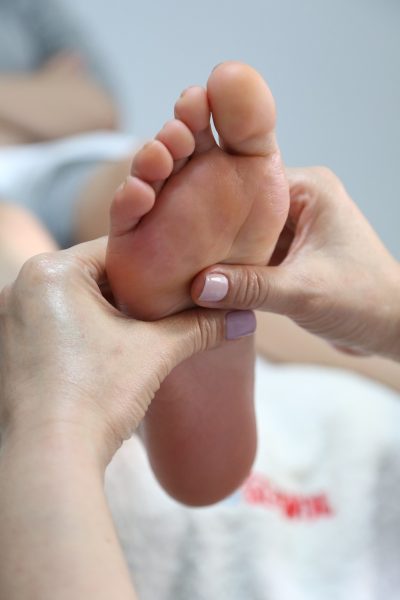
Metatarsalgia is the name given to pain in the front part of your foot under the heads of your metatarsal bones (the ball of your foot). The metatarsals are the bones which connect your toes to the ankle bone and they support your full body weight when walking and running.
People with Metatarsalgia describe the feeling of “walking on a pebble”, with pain that worsens when standing or walking, and improves when resting. The pain can be described as sharp, burning or aching, sometimes accompanied by tingling or numbness in your toes.
What Happens if Metatarsalgia is Left Untreated?
If left untreated pain can spread to other parts of the foot. Patients can also adopt an abnormal gait pattern due to the avoidance of putting pressure onto the ball of the foot. Patients tend to limp or walk on the outside of their feet. Long term this can have an impact on both feet, the back, the knees and the hips.
Posted on Google
 Mark Webster15 October 2026
Trustindex verifies that the original source of the review is Google.
Knowledgeable and very friendly! I recently came due to an infected toenail that was red and swollen. My appointment was with Jamil, who was incredibly helpful and kind. He sanded down my toenail down as it was thick, and drilled a hole into my toenail to release the pressure from the infection which immediately feel better. I will be following up soon for another appointment to make sure it’s healing properly. NikiPosted on Google Freya Grace14 September 2026Very friendly staff, very helpful and talked through all the different options of the treatments, definitely recommend, Sonia was a star!Posted on Google
 Charlotte Caton14 September 2026I was very scared of coming I’ve had pretty serious medical trauma, everyone was lovely and the appointment was straight forward and pain free!Posted on Google
 Alfie Heselden15 August 2026All staff very helpful and informative.Posted on Google
 Jay Yeah13 August 2026Had a verruca for a while. Came in and had swift treatment twice, verruca went within 12 weeksPosted on Google
 Melissa Sowery30 July 2026Brilliant experience my first experience with Podocare and would highly recommend. Very friendly and informativePosted on Google
 Cassie Smith30 July 2026Great experience today with Dr. Jamil. Friendly staff at reception, quick efficient podiatry appointment. Dr. Jamil provided helpful recommendations based on my issues. Highly recommend and will be back.Posted on Google
 Alan Catling-Fletcher23 July 2026Came in with a broken deformed nail. Worked magic over a few months and now back normalPosted on Google
 Thandeka Magwaza22 July 2026Great servicePosted on Google
 Ashley Armitage22 July 2026A seamless experience from start to finish - the staff are lovely, Louise was fantastic during my appointment and clearly very experienced and knowledgable. Highly recommend!Verified by TrustindexTrustindex verified badge is the Universal Symbol of Trust. Only the greatest companies can get the verified badge who has a review score above 4.5, based on customer reviews over the past 12 months. Read more

What Causes Metatarsalgia?
There are various causes of Metatarsalgia including:
- Badly fitting footwear: high-heeled or tight, restrictive shoes or boots. Shoes with a narrow toe box or high heels can force the ball of the foot into a small amount of space, which puts more pressure on that area.
- Being overweight: this can increase the pressure upon the foot.
- Age: Older people are more susceptible to metatarsalgia as the fat pad that protects the foot can thin with age, making them more likely to feel pain in the ball of their foot.
- Bone structure of the foot: narrow, high-arched feet or flat feet can increase the chance of metatarsalgia. Hammer toes (where the toes are bent at the middle joint) and a bunion (bony swelling at the base of the toe) can also bring it on.
- High-impact sports: such as running or tennis, which puts extra pressure on the foot.
- Stress fractures in the foot: these occasionally occur in athletes or walkers and cause pain to come on rapidly.
What Self-Care Can Help Metatarsalgia?
Simple measures can help to relieve the symptoms of metatarsalgia.
These include:
- Resting with your feet elevated where possible.
- Wearing shoes that are well fitted, low-heeled and with a wide toe area.
- Painkillers such as paracetamol may help to relieve pain.
How We Treat Metatarsalgia
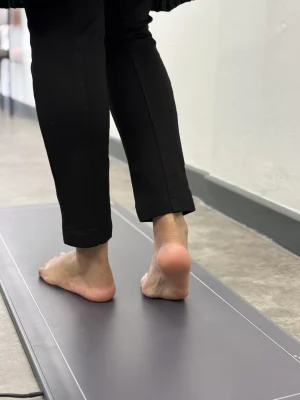
Firstly, we recommend a biomechanical and gait assessment to identify the underlying cause of your foot pain.
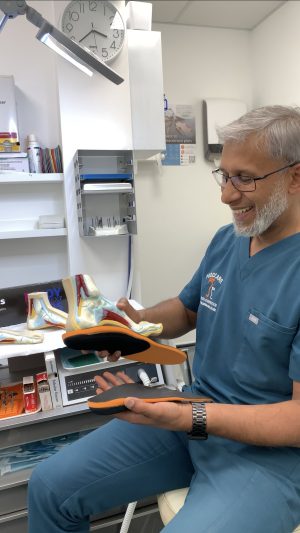
Treatment then focuses on restoring normal foot function through custom orthotics (inserts for your shoes) that may help to relieve pain by reducing the pressure placed on the heads of your metatarsal bones. Alongside this, it is recommended to wear proper footwear and do targeted stretches.
Why Choose Podocare for Metatarsalgia Treatment?
Podocare has been supporting patients with foot and lower-limb problems since 1996. Our podiatrists assess both recent and longstanding cases of forefoot pain.
- Individual Treatment Plans: Metatarsalgia has many possible causes. Your treatment plan will be based on your examination findings, symptoms, lifestyle, footwear and activity requirements.
- Comprehensive Assessment: We do not simply focus on the painful area. Where appropriate, we assess foot posture, joint movement, muscle flexibility, gait and footwear to identify contributing factors.
- Range of Treatment Options: Depending on your needs, treatment may include footwear advice, exercises, pressure relief, temporary padding, insoles or custom orthotics.
- Ongoing Support: We can review your progress, adjust your treatment and support your gradual return to walking, work or sport.
- Convenient Clinic Locations: We have clinics in Wakefield, Batley and Sheffield – home visits may also be available for patients who are unable to attend one of our clinics.
Book Your Appointment for Metatarsalgia Today in Wakefield, Batley or Sheffield
Whether you need a consultation and physical therapy advice, or a permanent solution through our treatment options, Podocare is here to help. Contact us or book your consultation online to make the first step towards pain-free feet today.
Metatarsalgia FAQs
What does metatarsalgia feel like?
It feels like a burning, aching, or sharp pain in the ball of the foot (behind the toes). Many patients describe it as feeling like walking on a pebble or a bunched-up sock.
What causes ball of foot pain?
Common causes include high-impact sports, wearing unsupportive or narrow shoes, high arches, flat feet, or age-related thinning of the fat pad beneath the ball of the foot.
How can orthotics help metatarsalgia?
Podiatry-grade orthotics with built-in metatarsal domes help redistribute weight away from the sensitive metatarsal heads, immediately relieving pressure during walking.