
Plantar Fasciitis Treatment
Expert Plantar Fasciitis Support
Here at Podocare, we understand how painful and uncomfortable Plantar Fasciitis can be. It can disrupt your daily life, make wearing shoes uncomfortable and become chronic if left untreated.
That’s why our team of podiatrists are dedicated to providing expert care and comprehensive treatments to help you get you back on your feet, without pain. Learn about our range of Plantar Fasciitis treatments across Wakefield, Batley and Sheffield, and how they can help you by contacting us today.
What is Plantar Fasciitis?
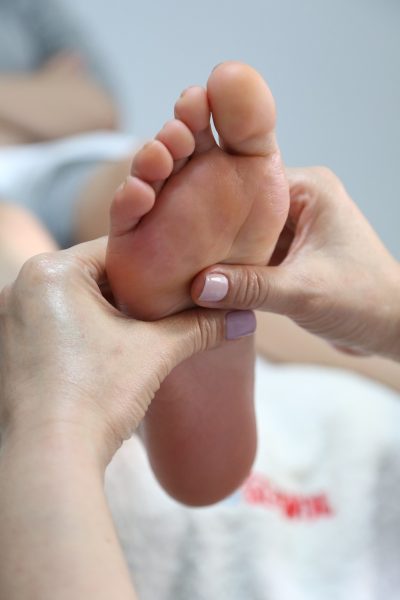
Plantar Fasciitis is one of the most common causes of heel pain. This pain is usually worse in the morning and improves once a patient “gets going” but can be exacerbated by exercise and is often worse towards the end of the day.
This condition is also known as Heel Spur, as it was originally thought that the heel spurs which are often seen on x-ray with this condition were the cause of the problem. The underlying problem here is inflammation where the Plantar Fascia (a strong band of tissue that supports your foot arch) attaches to the heel bone caused by increased pull on the Plantar Fascia.
Increased pull may come from sudden increase in activity, over use or change in footwear. This pain may appear in the form of a sharp, stabbing pain under your heel, particularly:
- First thing in the morning
- After long periods of sitting or standing
- Following exercise – but not normally during it
Posted on Google
 Freya Grace14 September 2026
Trustindex verifies that the original source of the review is Google.
Very friendly staff, very helpful and talked through all the different options of the treatments, definitely recommend, Sonia was a star!Posted on Google Charlotte Caton14 September 2026I was very scared of coming I’ve had pretty serious medical trauma, everyone was lovely and the appointment was straight forward and pain free!Posted on Google
 Alfie Heselden15 August 2026All staff very helpful and informative.Posted on Google
 Jay Yeah13 August 2026Had a verruca for a while. Came in and had swift treatment twice, verruca went within 12 weeksPosted on Google
 Melissa Sowery30 July 2026Brilliant experience my first experience with Podocare and would highly recommend. Very friendly and informativePosted on Google
 Cassie Smith30 July 2026Great experience today with Dr. Jamil. Friendly staff at reception, quick efficient podiatry appointment. Dr. Jamil provided helpful recommendations based on my issues. Highly recommend and will be back.Posted on Google
 Alan Catling-Fletcher23 July 2026Came in with a broken deformed nail. Worked magic over a few months and now back normalPosted on Google
 Thandeka Magwaza22 July 2026Great servicePosted on Google
 Ashley Armitage22 July 2026A seamless experience from start to finish - the staff are lovely, Louise was fantastic during my appointment and clearly very experienced and knowledgable. Highly recommend!Posted on Google
 Poul Sorensen16 July 2026Excellent same day service,, my treatment was included in my consultations fee and it was worth every penny. I feel like I’m walking on air. Thank you Louise, I’ll be back for sureVerified by TrustindexTrustindex verified badge is the Universal Symbol of Trust. Only the greatest companies can get the verified badge who has a review score above 4.5, based on customer reviews over the past 12 months. Read more

Common Causes of Plantar Fasciitis
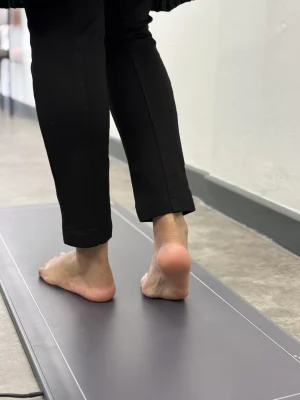
There are several causes of Plantar Fasciitis:
- Overuse or strain from walking, running, or standing
- Tight calf muscles or Achilles tendon
- Flat feet or high arches
- Unsupportive footwear
- Increased body weight or sudden activity increase
Self-Care for Plantar Fasciitis
Plantar Fasciitis is typically treated with a combination of stretching and physical therapy, supportive footwear and orthotics, reviewing activities that cause you pain and adjusting if necessary, and when needed, additional podiatric treatments such as Shockwave therapy for pain relief.
1. Supportive Footwear
- Wear well-cushioned shoes with arch support.
- Avoid walking barefoot or in unsupportive shoes like slippers or flip-flops.
2. Stretching & Strengthening
Do these exercises daily:
▪️ Plantar Fascia Stretch: Sit and pull your toes back toward you. Hold for 30 seconds. Repeat 3 times.
▪️ Calf Stretch (Wall Stretch): Lean forward with one leg behind the other, keeping the heel down. Hold 30 seconds. Repeat 3 times in each leg.
▪️ Towel Curls / Marble Pickups: Strengthen your foot by using your toes to scrunch a towel or pick up marbles.
3. Ice & Pain Relief
- Apply an ice pack to your heel for 15-20 minutes, 2-3 times daily.
- Take NSAIDs (e.g. ibuprofen) if suitable.
How We Treat Plantar Fasciitis
Our treatments are aimed at reducing the pull on the Plantar Fascia and may include stretches, strapping, changing footwear, orthotics and in difficult cases night splints are very effective.
Low-Dye Taping
A temporary taping method that supports the Plantar Fascia and arch to reduce strain and pain.
- Used in acute flare-ups or to trial biomechanical support.
- Can be applied in clinic and taught for home use.
Shockwave Therapy
Shockwave therapy is used in chronic cases where symptoms persist after 6+ weeks. This treatment delivers sound waves to the heel to stimulate healing, increasing blood flow, breaking up scar tissue and reducing pain signals.
The treatment plan usually consists of 3-6 sessions (1 per week), ~15 minutes each with 70-80% of patients experiencing lasting pain reduction.
K-Laser Therapy
K-Laser therapy uses specific light wavelengths to penetrate deep into the tissue and promote natural healing through cell repair, seeking to reduce inflammation and pain. It’s painless and non-invasive.
This treatment is ideal for acute or chronic Plantar Fasciitis, especially in combination with stretching and orthotics.
Orthotics & Insoles
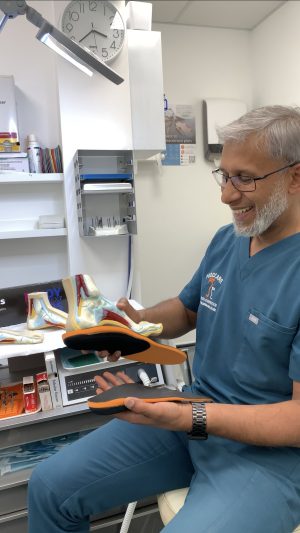
Our custom-made orthotics are specially made shoe inserts designed to help support your arch and reduce pressure on the heel. Orthotics are usually a part of a broader treatment plan including stretching, strengthening, proper footwear and load management.
This treatment is often recommended for long-term prevention and biomechanical correction.
Night Splints
Wearing a splint while sleeping keeps your foot gently stretched, reducing morning pain.
You’re welcome to browse our pricing page to learn more about our treatment options before booking an appointment.
Why Choose Podocare for Plantar Fasciitis Treatment?
- Expert Podiatrists: Our team has extensive experience in treating Plantar Fasciitis from acute to chronic cases.
- Personalised Treatments: We tailor every treatment to your individual situation and needs.
- Comprehensive Aftercare: From the initial assessment to full recovery, we support you every step of the way.
- Convenience: We have clinics in Wakefield, Batley and Sheffield, also offering home visits for patients who are unable to attend the clinic.
Book Your Appointment for Plantar Fasciitis Today in Wakefield, Batley or Sheffield
Whether you need a consultation and physical therapy advice, or a permanent solution through our treatment options, Podocare is here to help. Contact us or book your consultation online to make the first step towards pain-free feet today.
Plantar Fasciitis FAQs
What does plantar fasciitis pain feel like?
It typically causes a sharp, stabbing pain under the heel or arch. Pain is usually worse during your first steps out of bed in the morning or when standing up after sitting for a while.
How long does it take for plantar fasciitis to heal?
Most cases resolve within 6 to 12 months with conservative treatments such as calf stretching, custom orthotics, and footwear modifications. Podiatrists can offer targeted therapies like shockwave therapy to speed up recovery, so it may be worth speaking to specialists like Podocare to see what would work for you.
Can I still exercise with plantar fasciitis?
You should avoid high-impact activities like running, sports that require repeated use of your feet (like squash, tennis or gymnastics for example) or jumping on hard surfaces. Switch to low-impact exercises such as swimming until the inflammation subsides.